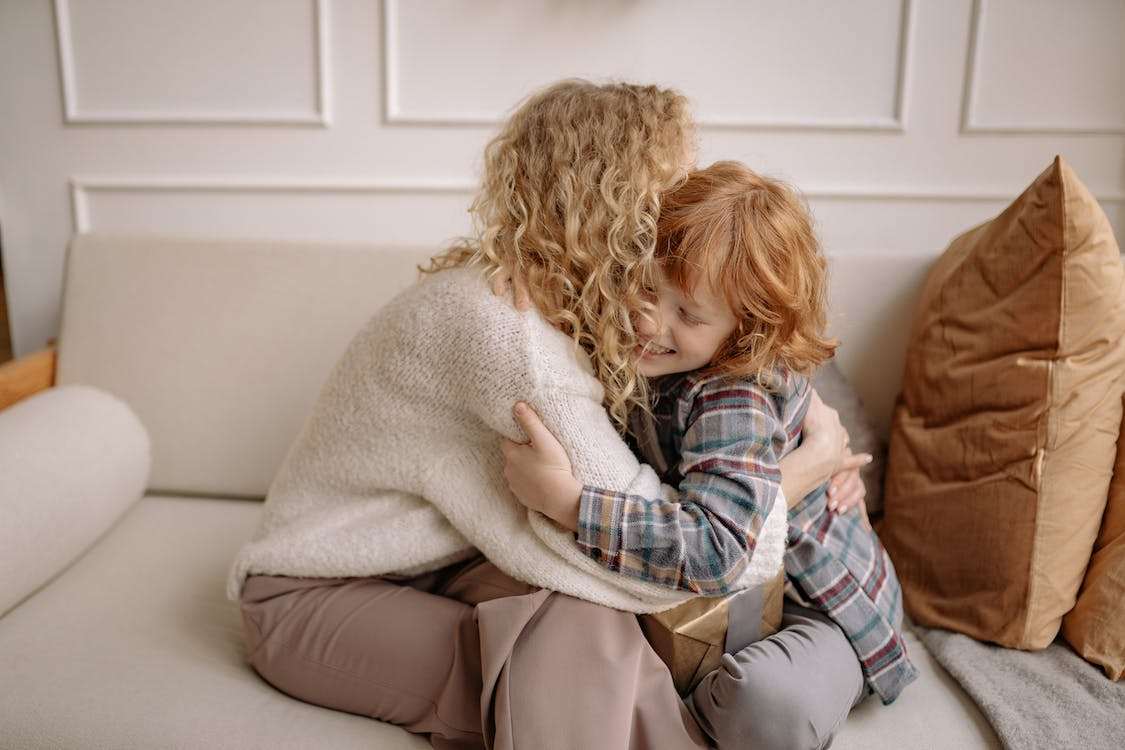
Positive parenting is a unique style of parenting that provides a relaxing, nurturing environment where children can feel secure and develop as individuals. Children need both structure and freedom in their lives but can be exposed to unconditional love (i.e., not being disciplined by varying degrees of anxiety, anger, or frustration) - which is the heart of positive parenting.
Children may not have words to express their feelings. They are more likely to act out their anxiety and stress through their behavior. As parents, you must teach your children discipline in a positive manner to strengthen your bond with your kids. So here are the best positive parenting strategies you can use.
Positive Parenting Strategies to Raise a Happy Child
1. The Early Years Matter
The early years are crucial for children, especially in the first five years of their lives. During this time, children can store and learn the basic information that enables them to carry out certain tasks. During this period, parents must ensure that they instill confidence and trust in their child, which will facilitate child cooperation, healthy interaction, and social skills.
2. Follow a Routine
Babies and small children love routine because it makes everyday activities easier. Schedule a time each day where your child will have fun with a routine like feeding and rocking the baby to sleep, reading bedtime books together, or playing a game. These simple activities will teach your child confidence and happiness, which will help your child thrive mentally, socially, and physically. In addition, regular meals encourage the healthy growth of children by keeping them full of energy throughout the day.
3. Learn the Basics
It is essential to understand that kids grow every minute of the day and that particular tasks like crawling, sitting, and standing are age-specific. Provide your kid time and space to be ready to cross a certain milestone. There's no need to rush! Each small child is unique and grows at different paces. What's ideal is not to compare your small child with other kids, and that can be one of the best parenting strategies parents can learn.
4. Be Good Role Models
Children love to imitate their parents, so provide a role model by demonstrating good behavior and being a dependable leader for your child to follow. Practice what you preach by being generous around the house, for instance, offering to pick up toys as well as helping your kids with their homework. Or, If you want your kid to wash their hands after playing outside, you should wash your hands too after getting back from your work.
5. Concentrate on Daily Chores
It is important to include your child in the day-to-day activities you do at home. Getting your kid involved can help them get used to daily routines that involve chores. Let them play with your keys, let them clean up their toys, and sit on the toilet seat! It will help them understand how to control themselves and develop confidence in doing household chores for later life.
6. Bond Over Fitness
Exercise as a family can be an enjoyable experience for you and your small children. Take up activities that you all like, for instance, swimming, playing basketball, or attending dance classes. Spending at least an hour every day on exercise and physical activity can make a world of difference to children's overall development and growth.
7. Family Meal Time
Eating a meal together can help to strengthen the bonds between parents and children. All the important features of positive parenting strategies can be encapsulated into that family meal, building a positive impression on your kid's future. It is an ideal time to engage in conversations and discuss each member's day and how it went. Mealtimes are excellent for meaningful conversations and laughter. Family mealtime is also an excellent opportunity to foster early healthy eating habits in your child.
8. Invest in Yourself
You are the most important parent as you are bound to shape your child's future. So make sure that you get enough sleep and manage your stress levels. If you are out of balance, then it will be hard for you to create a healthy and secure environment for your small child to live in. It is important to regularly shower, keep yourself fit with exercise and eat well because these things will help your child regulate their moods.
9. Work as a Partner with Your Child
Children are more likely to be more cooperative with their parents when they feel as though they are a part of the family. When spending time with your child, talk and interact naturally. Children can't tell you how they feel, but it is important to listen and respond according to how they are feeling. Often, children don't know what needs to be repaired or what is broken or damaged but only know that their world has shifted from under them, and the way forward is unclear.
10. Let Your Parenthood Define You
Another parenting strategy you can follow is to manage your own time accordingly. Let your coworkers or colleagues know that you have a young child waiting for you at home. So instead of expecting your coworkers to understand that you need to leave on time, set your boundaries yourself, right from the start. Be a wise worker and use your time wisely to finish your work and have adequate time for your family.
11. Grandparents Are Blessings
A grandparent can be a great support system for a young couple with small children. They can help babysit, allow you to go out for dinner or a date night, help you with laundry, housecleaning, and cooking meals when you are too tired. Above all, grandparents have years of experience, so they offer their wisdom and help guide parents through the maze of parenting strategies. The more interaction with the extended family, the better your kid's overall development.
12. Kids Need Kids
Another parenting strategy is to allow your children to be around other children. You can arrange playdates with your kid's friends so that they can share experiences, get to know each other better, and learn to become socially conscious. They develop language skills and learn new activities from each other. They also learn how to be a friend, share things with friends and get along well with others.
13. Understand and Acknowledge the Disappointments of Your Kids
Good parenting strategies involve understanding and acknowledging the disappointments of your kids. Ask them what is bothering them and why they are sad because that will give you an insight into their world. It will help you to understand your kid's minds better, increase their confidence and make them feel more secure. It is important to listen to your kid's stories, show appreciation for their efforts, assure them that they did a good job, and be proud of it.
14. Self-Control for Screen Time
There is no denying that video games and television can play a major role in child development. But the parents must monitor how much time the kids spend on screen and their emotional reactions after playing such addictive games. The screen time should be minimal, as too much screen time during childhood can have a negative impact on children's well-being as adults. You should also communicate to your children what you think is alright for them to watch or play and which activities are okay to avoid altogether.
Parenting is indeed tough, but it is priceless when you see how your kid grows up to become a responsible and thoughtful human being. While raising your kids, you may consider following these strategies to make their childhood more enjoyable and help them become responsible adults.
Guest Author Bio
Andrea is currently the head of content management at SpringHive Web Design Company, a digital agency that provides creative web design, social media marketing, email marketing, and search engine optimization services to small businesses and entrepreneurs. She is also a blog contributor at Baby Steps Preschool where she writes story time themes, parenting tips, and seasonal activities to entertain children.